
Invoice Processing Solutions for Logistics Companies in the USA
- info183791
- Aug 6, 2025
- 4 min read
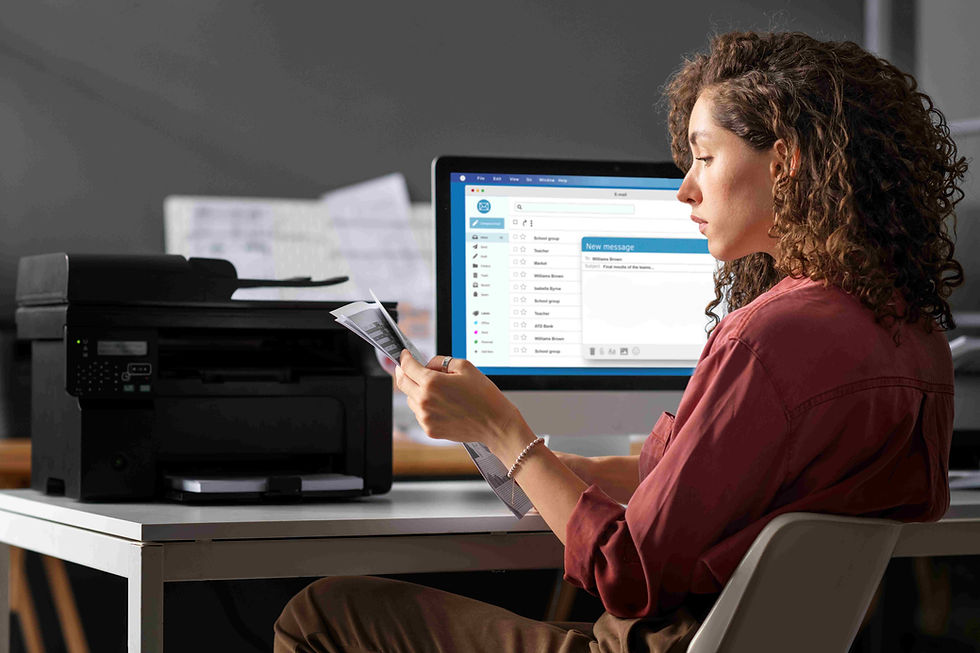
In the logistics industry, managing invoices isn't just paperwork—it's the backbone of your cash flow, supplier relationships, and operational efficiency. With tight margins, frequent deliveries, and multiple vendors, logistics companies often handle hundreds or even thousands of invoices every month.
Manually managing those invoices increases the risk of delays, errors, and missed payments. That’s why automated invoice processing solutions have become essential tools for logistics companies in the USA.
In this blog, we’ll cover what invoice processing means, why it matters to logistics businesses, and the top solutions available that help streamline your accounts payable process.
What Is Invoice Processing?
Invoice processing is the method by which companies receive, verify, approve, and pay vendor invoices. Traditionally, this involved physical paper trails, manual data entry, and repetitive tasks—making it slow and prone to error.
Modern invoice processing solutions leverage automation, AI, and cloud technology to:
Digitize invoices
Extract and validate data
Route for approvals
Initiate timely payments
Maintain records for audits
In logistics, where invoice volume is high, this efficiency is a game-changer.
Why Invoice Processing Matters in Logistics
1. High Volume of Transactions
Logistics companies deal with countless vendors—fleet maintenance, fuel suppliers, third-party carriers, warehousing, etc. Each transaction produces an invoice that needs accurate and timely processing.
2. Time-Sensitive Payments
Delays in paying vendors can disrupt operations. For example, if a carrier isn’t paid on time, it may delay delivery or switch partners.
3. Cash Flow Management
Accurate invoice tracking helps logistics companies maintain healthy cash flow, forecast expenses, and avoid overpaying or duplicate payments.
4. Error Reduction
Manual entry is prone to errors like incorrect totals, mismatched purchase orders, and missed due dates. Automated solutions minimize human mistakes.
5. Compliance and Audit Readiness
Automated invoice systems maintain digital records, improving transparency and simplifying audits or tax filing.
Top Features to Look for in an Invoice Processing Solution
Before choosing a tool, make sure it offers:
OCR (Optical Character Recognition): Automatically extracts data from PDFs, scans, or photos of invoices.
3-Way Matching: Verifies that the invoice matches the purchase order and goods receipt.
Automated Approval Workflow: Routes invoices to the right person for approval.
Integration Capabilities: Syncs with accounting software (like QuickBooks, Xero, or NetSuite).
Real-Time Tracking: Monitors invoice status—from received to paid.
Fraud Detection: Flags duplicates, unusual vendor activity, or unapproved invoices.
Top Invoice Processing Solutions for Logistics Companies (USA)
1. AvidXchange
Best for: Mid-sized logistics and freight companies.
Key Features:
Full accounts payable automation
Customizable approval workflows
PO and non-PO invoice support
Vendor portal for easy communication
Why It Works:AvidXchange streamlines invoice receipt, approval, and payment in one unified platform. It’s especially useful for logistics companies managing numerous vendor types.
2. Tipalti
Best for: Companies with international logistics operations.
Key Features:
Global payments support (190+ countries)
Multi-currency invoice processing
Automated tax compliance
Supplier self-service portal
Why It Works:If your logistics firm works with global carriers or customs brokers, Tipalti makes international invoice and tax management seamless.
3. Stampli
Best for: Logistics teams wanting fast invoice approvals.
Key Features:
AI-powered data capture
Collaboration tools (comments, notes)
Auto GL coding suggestions
Real-time analytics
Why It Works:Stampli improves visibility and collaboration among your team members, ensuring invoices never get lost or stuck in someone's inbox.
4. Bill.com
Best for: Small to mid-sized logistics businesses.
Key Features:
AI-powered invoice entry
Custom approval routing
ACH, check, or international wire payments
Audit-ready records
Why It Works:Bill.com is simple yet powerful. It offers small logistics companies an easy transition from manual to digital invoice processing.
5. North Quest Solutions – Logistics Focused
Best for: Amazon DSP, FedEx ISP, and local freight companies.
Key Features:
Invoice validation with PO and delivery slips
Payment calendar and cash flow forecast
Driver reimbursements tracking
Full integration with accounting and payroll systems
Why It Works: Tailored specifically for logistics, New Fleet Solutions combines invoice management with other back-office services like bookkeeping and virtual CFO—ideal for growing USA-based logistics firms.
Benefits of Invoice Automation for Logistics Businesses
Saves Time
What used to take hours now takes minutes. Invoices are automatically read, categorized, and routed.
Improves Accuracy
Eliminates costly mistakes like duplicate payments or wrong totals.
Increases Vendor Trust
Faster, more accurate payments strengthen supplier relationships.
Boosts Cash Flow Insight
Real-time visibility into payables helps with forecasting and financial planning.
Reduces Costs
Lower labor costs, fewer late fees, and early payment discounts save money.
Enhances Compliance
Digital audit trails and approval logs make audits smooth and stress-free.
How to Implement Invoice Processing in Your Logistics Business
Audit Your Current Workflow: your current invoice process. Identify bottlenecks, delays, or error-prone steps.
Choose the Right Tool: Select software that fits your invoice volume, team size, and business complexity.
Train Your Team. Even automated tools need human oversight. Train your staff on new workflows and dashboards.
Integrate With Existing Systems: Ensure your invoice solution connects with your accounting, payroll, and CRM software.
Go Live and Monitor. Start with a pilot phase. Monitor for errors, delays, or resistance. Refine as needed.
Case Study: Faster Payments for a Logistics Business
Company: A regional logistics company in OhioProblem: They were manually processing over 600 invoices monthly, resulting in delays, duplicate payments, and lost vendor trust.Solution: Implemented Bill.com + QuickBooks integration.Results:
65% faster invoice approvals
99% reduction in duplicate payments
Clear cash flow dashboards for leadership
Re-established trust with long-time suppliers
Conclusion
In a fast-moving industry like logistics, efficiency is everything. Relying on paper invoices or manual Excel tracking is no longer sustainable. With the right invoice processing solution, you can save time, reduce costs, and gain the financial clarity needed to grow your logistics business in the USA. Whether you're a small Amazon DSP, a FedEx contractor, or a regional freight company, modern invoice automation is not just a smart move—it’s essential.


Comments